



Hi there! How can we help you today?

Child Labour in the Tobacco Fields of Bunyoro: A Call for Urgent Action
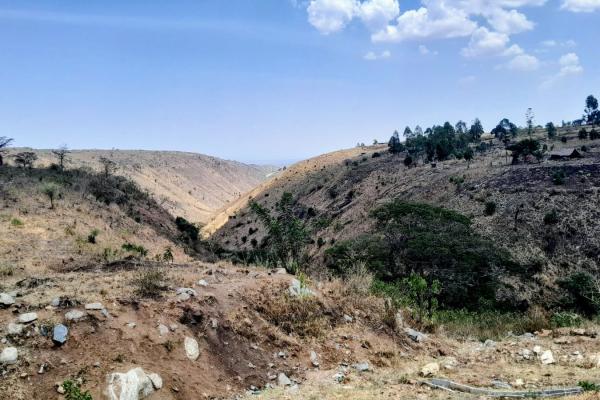
As a youth and women-centered non-profit organization dedicated to advancing health, digital, and economic rights for vulnerable communities in rural Uganda, Rural Smiles Foundation has long been committed to empowering marginalized voices. Founded in 2022, our work focuses on community empowerment, advocacy, and innovative solutions to break cycles of poverty and exploitation. In the tobacco-growing districts of Bunyoro such as Hoima, Masindi, Buliisa, and Kibaale we witness firsthand the devastating impact of child labour on the future of our children. This article sheds light on this pervasive issue and outlines actionable steps to eradicate it, drawing from our on-the-ground experiences and broader research.
The Harsh Reality of Child Labour in Bunyoro's Tobacco Farms
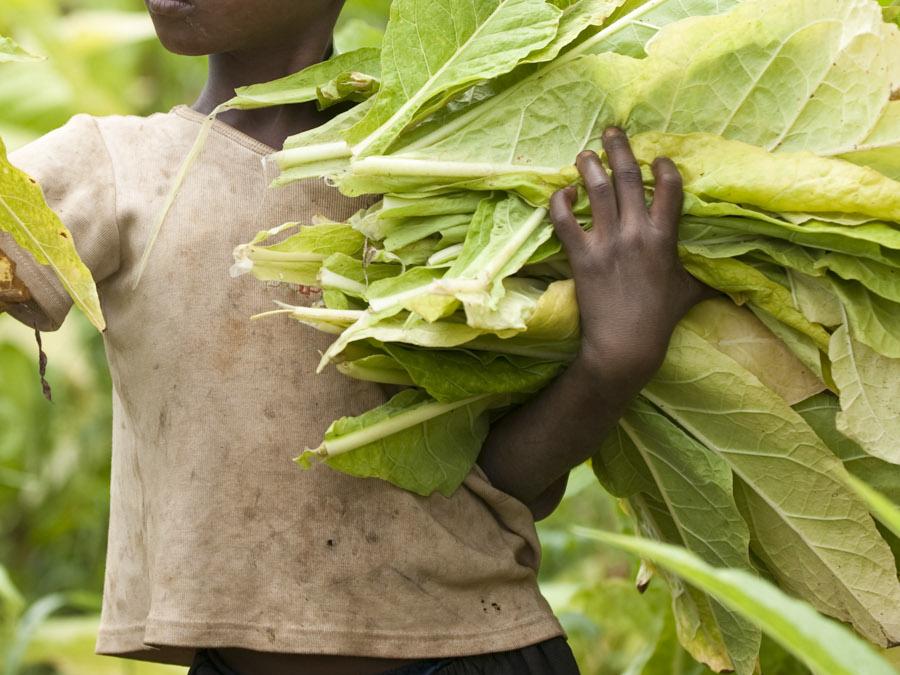
Bunyoro, a resource rich region in western Uganda, has historically relied on tobacco as a cash crop, providing income for roughly half of the rural population in these districts. However, this economic lifeline comes at a profound human cost, particularly to children. Tobacco farming is labor-intensive, involving planting, weeding, harvesting, and curing tasks that expose workers, especially children, to hazardous conditions. Nicotine poisoning from handling wet leaves, respiratory issues from dust and pesticides, and physical strain from long hours under the sun are just some of the dangers.
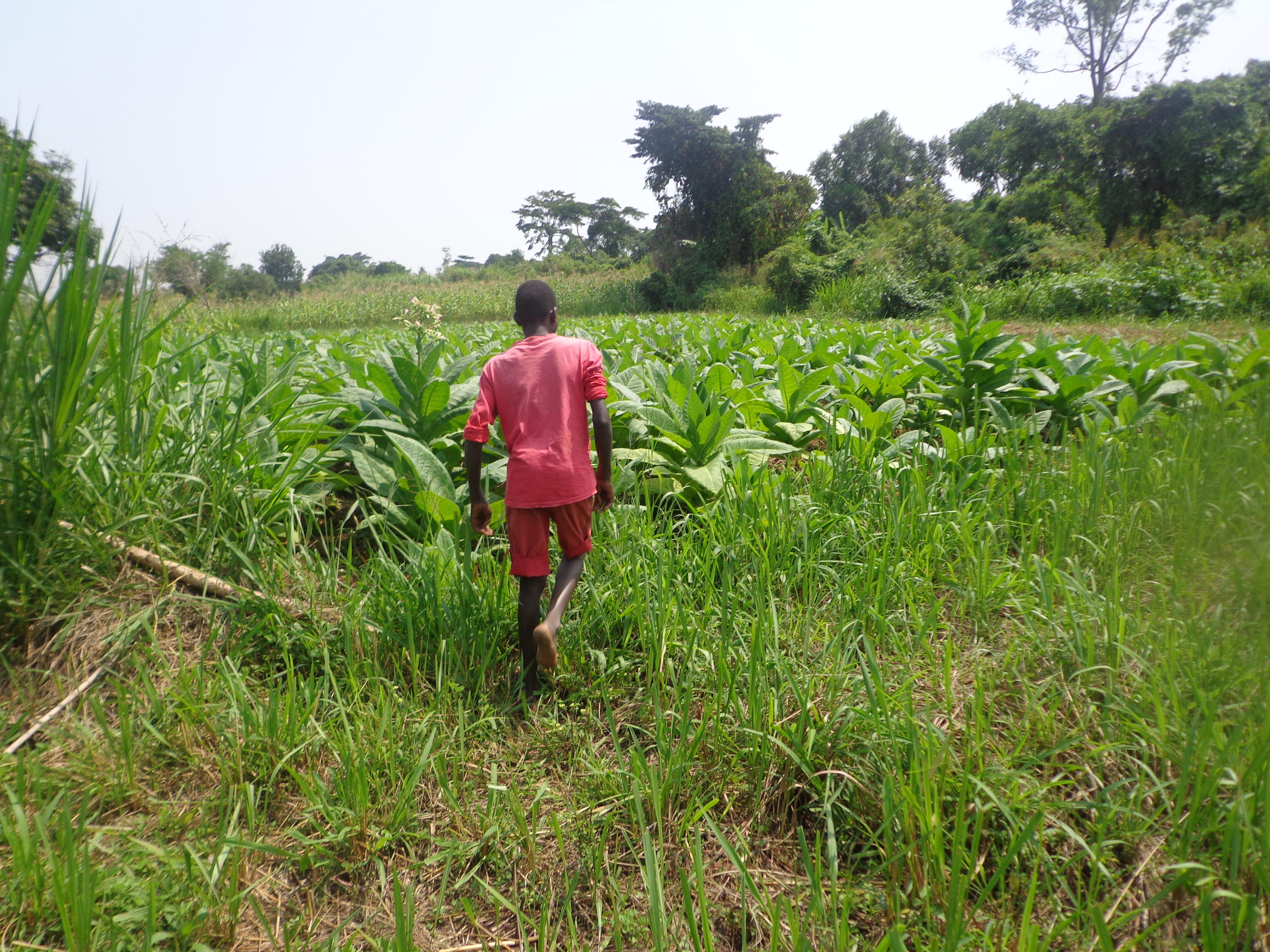
Studies reveal alarming rates of child involvement. In tobacco growing areas of Uganda, including Bunyoro, children as young as five are often pulled from school to work on family farms, perpetuating a cycle of poverty and illiteracy. A 2002 report on child labour in these regions highlighted how economic pressures force families to rely on children's contributions, with many missing out on education during peak seasons. More recent data from the International Labour Organization (ILO) indicates that child labour prevalence in Ugandan agriculture, including tobacco, remains high, with 91.8% of child labourers in some sectors exposed to hazardous work. In Hoima District alone, tobacco cultivation significantly influences child labour rates, as families prioritize crop yields over schooling.
The impacts are multifaceted. Children face immediate health risks, such as green tobacco sickness, which causes nausea, headaches, and vomiting. Long-term, they suffer stunted growth, chronic illnesses, and limited opportunities. Education suffers too: Students stay home to harvest, leading to poor academic performance and higher dropout rates. This not only traps families in poverty but also undermines community development. In Masindi, a pilot project funded in 2004 aimed to eliminate child labour in tobacco growing, yet challenges persist due to weak enforcement and ongoing economic dependence. Even local leaders, like the Omukama of Bunyoro, have campaigned against tobacco expansion, recognizing its role as the "biggest child labour employer" in the region.
Rural Smiles Foundation has seen this firsthand through our programs in Kibale and surrounding areas. Many children we support share stories of missing school to help with tobacco, dreaming instead of a future beyond the fields. This exploitation not only violates Uganda's Employment Act and the UN Convention on the Rights of the Child but also hinders our national goals for sustainable development.
What Needs to Be Done: A Roadmap to Elimination
Ending child labour in Bunyoro's tobacco districts requires a multi-stakeholder approach combining government action, corporate responsibility, community empowerment, and international support. Drawing from global best practices and local insights, here are key recommendations:
- Strengthen Legal Frameworks and Enforcement: Uganda must implement stricter laws with hefty fines for violations, as urged by child rights activists. The government should ensure that only minors aged 16 and older, with proper training, engage in any agricultural work, and prioritize hazardous sectors like tobacco. District action plans, such as those in Masindi and Hoima, need robust monitoring and funding to track progress. Regular inspections and public awareness campaigns can deter exploitation.
- Promote Economic Alternatives and Fair Trade: Tobacco companies, including major players like British American Tobacco, must pay higher prices to farmers, enabling families to forgo child labour. This "fair price" model, advocated by organizations like the Eliminating Child Labour in Tobacco-Growing (ECLT) Foundation, reduces economic desperation. Simultaneously, diversify crops: Support farmers in transitioning to sustainable alternatives like coffee, maize, or vanilla through subsidies, training, and market access. In Bunyoro, where tobacco once thrived but has declined due to bans and health concerns, such shifts could revitalize rural economies without exploiting children.
- Enhance Education Access and Quality: Schools must become more child-friendly affordable, safe, and flexible to accommodate farming families. Provide scholarships, school meals, and after-school programs to keep children in class. Involve children in decision-making through youth forums, as recommended by the ILO, to address barriers like distance and costs. Rural Smiles Foundation is already piloting digital education tools in Kibale to bridge these gaps, ensuring remote learning even during harvest seasons.
- Community Empowerment and Advocacy: Grassroots efforts are crucial. Empower women and youths through vocational training and microfinance to reduce household reliance on child labour. Partner with NGOs like ECLT and the ILO for community monitoring committees that report violations. Awareness campaigns, led by local leaders and organizations like ours, can stigmatize child labour and promote rights-based farming.
- International and Corporate Accountability: Global bodies should pressure tobacco multinationals to adopt zero-tolerance policies for child labour in their supply chains. Funding from initiatives like the U.S. Department of Labor can support pilot projects, as seen in past Ugandan efforts. Broader food security strategies, per FAO guidelines, must integrate child labour prevention into agricultural policies.
Child labour in Bunyoro's tobacco fields is not inevitable it's a symptom of systemic failures that we can address through collective action. Rural Smiles Foundation is committed to leading by example: Advocating for policy changes, empowering families with economic tools, and ensuring every child has access to education and health rights. We urge the Ugandan government, tobacco industry stakeholders, and international partners to prioritize these steps. Together, we can transform Bunyoro from a hub of exploitation into a beacon of opportunity.
Share this post: